Photo Blog

Five weeks in Masai Mara National Reserve - Week 5

During the fifth week in Masai Mara our sightings of the three lion prides with small cubs were great as by now we could find them almost anytime we wanted to. A few of my close friend were part of this group and we had a party every night, which was long overdue. Four weeks of very serious photography does take its toll. Two of my lenses were playing up, one camera body had gone bust, my monopod was broken but photography went on.

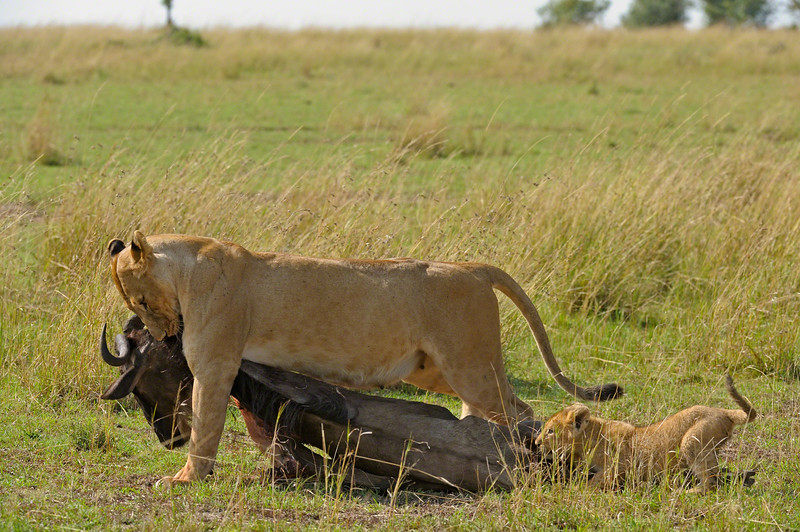
lioness and vcubs with a kill in masai mara

Lioness and cubs with a wildebeets kill

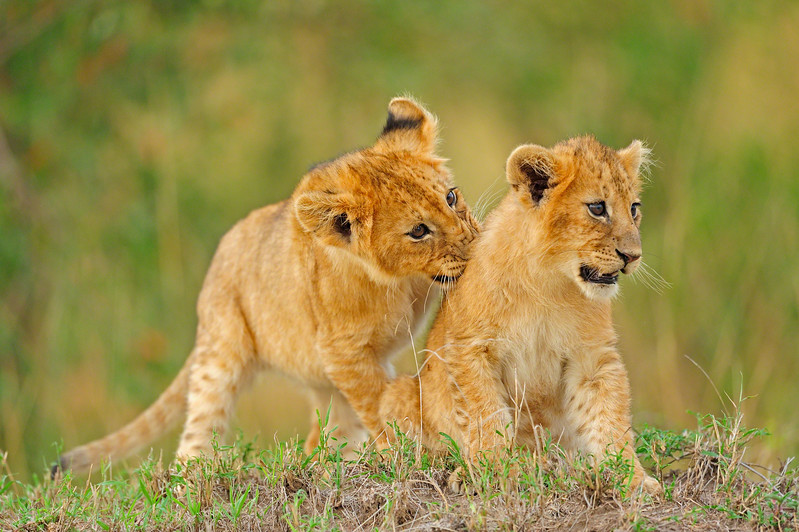
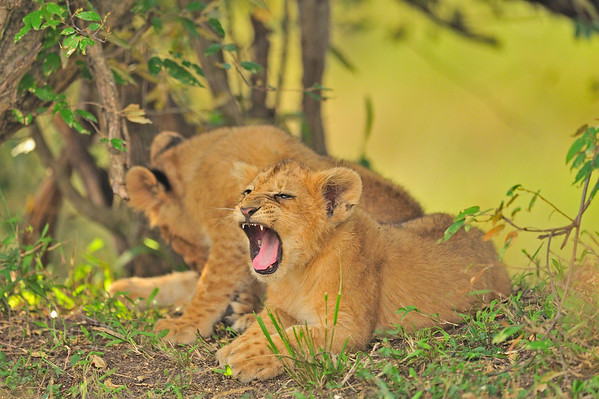
lion cubs masai mara

Lions cubs in a playful mood – I got some of my best lion cub images in this week

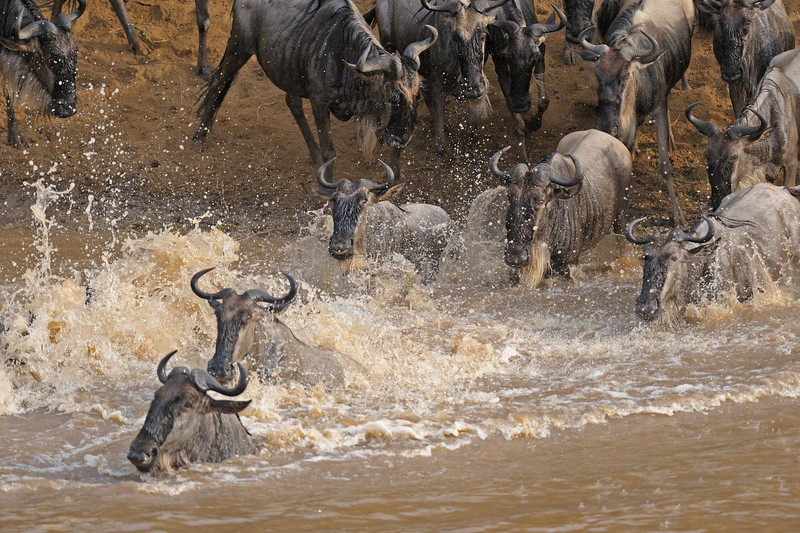
We saw a small but good river crossing on the second day of the week. For the next 3 days we saw large herds of wildebeests gathering on the Mara triangle side of the Mara River but they refused to cross till a day before we were going to leave Masai Mara for good. This was the biggest crossing of my entire trip. It started early in the morning, which is unusual and went on till well after dark. 

masai mara migration

Besides the usual, we did get some great bird and sunset pictures. It did not rain at all during this week and we got to see some amazing sunsets almost every day – which is again unusual in Mara, as there is usually a build up of clouds by late afternoon.

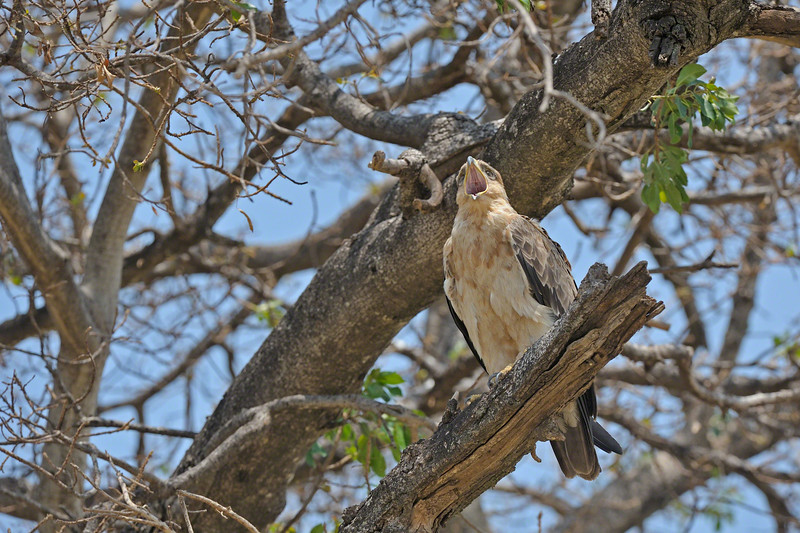
tawny eagle

Tawny eagles are residents and one of the more common eagles in Masai Mara

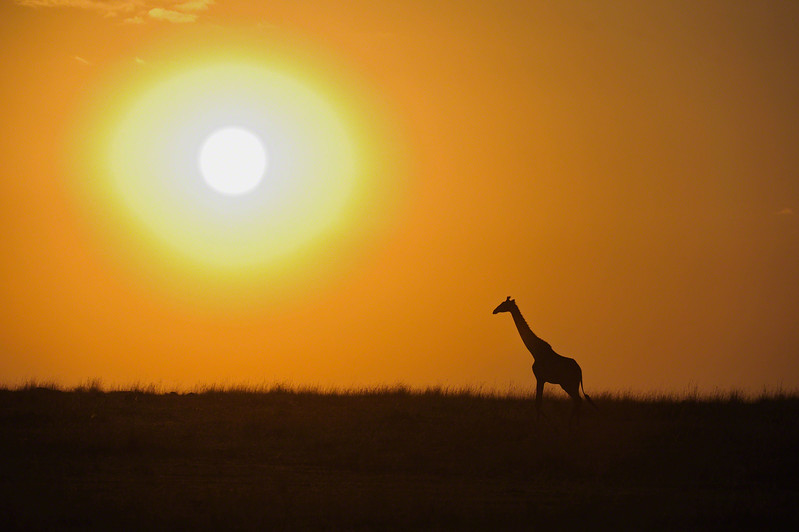
masai giraffe at sunset

Masai giraffe at sunset

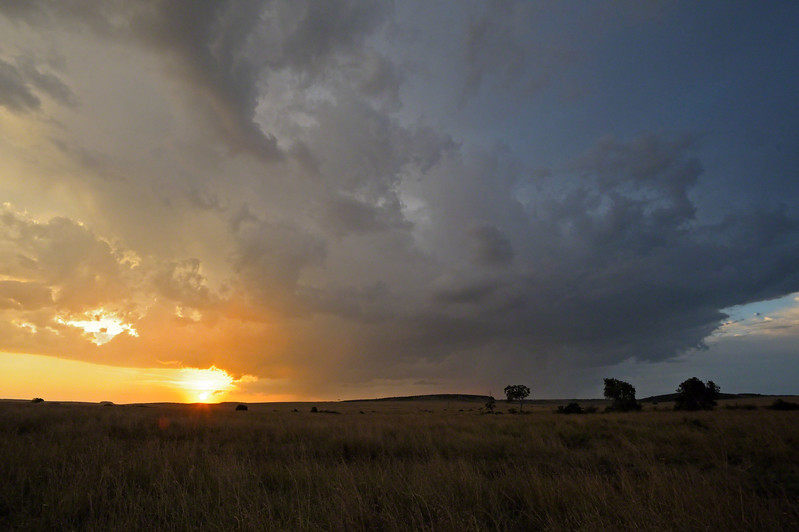
sunset in Mara triangle

Sunset just behind our campsite in the Mara triangle

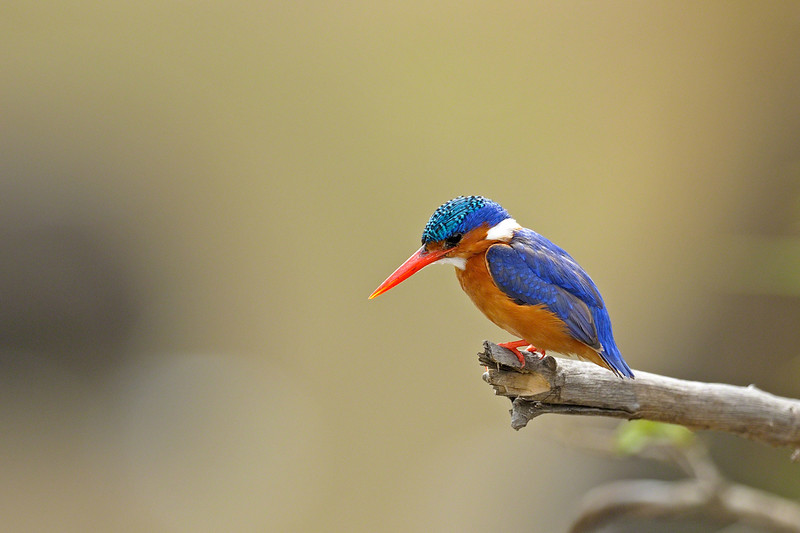
One of my favorite birds of Mara is the Malachite Kingfisher – picture below.

Malachite kingfisher

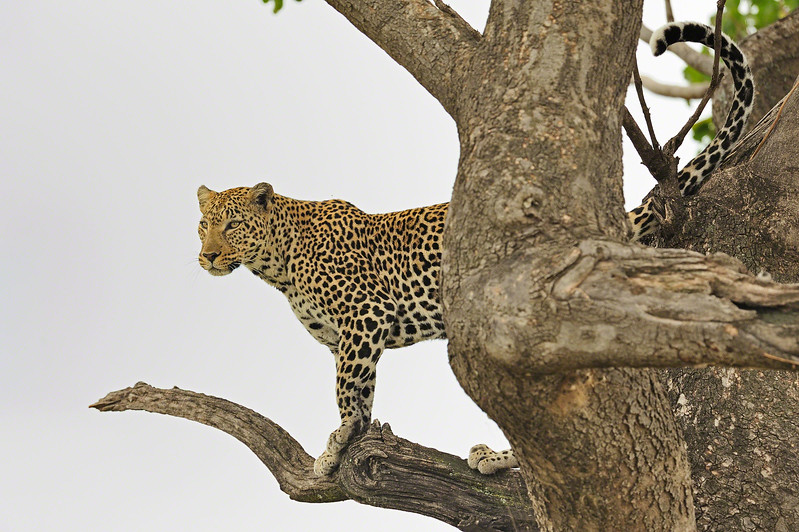
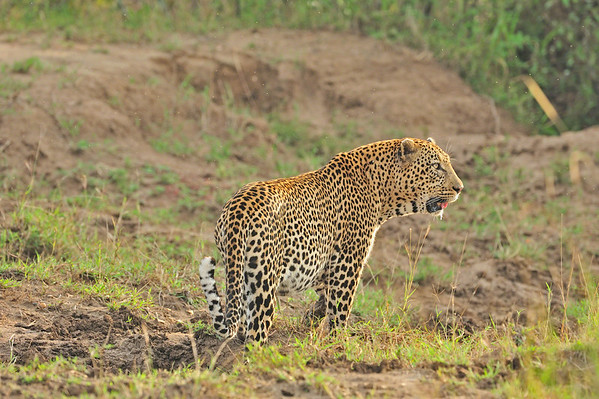
The highlights of this week were the two amazing leopard sightings that we had – both in the Kissinger Sausage tree area, which can get pretty crowded with vehicles. We were lucky to find these leopards without too much of a crowd.

leopard in masai mara

It was sad to leave Mara but all good things do come to an end.  On the way back home we spent three nights in Nairobi to tie up our relationship with Sunworld Safari – one of the best safari companies in Africa. We are now the proud representatives of Sunworld in India. Check our Indian website out.

Five weeks in Masai Mara National Reserve - Week 4

Cats were once again the highlight of our fourth week. There were fewer river crossings in this week but by now we had become adept at finding three prides of lions, all three with very young cubs, a pair of mating cheetahs (though we never really saw them mating) and a huge male leopard, whose territory was all around our camp. See picture below. 

leopard in masai mara

However, some of our most amazing sightings were of the three prides of lions that we use to regularly see. The cubs were really awesome. Masai Mara has nearly 750 lions and all in an area of about 1500 square kilometers. It does not get better than that anywhere in the world.

lions in masai mara

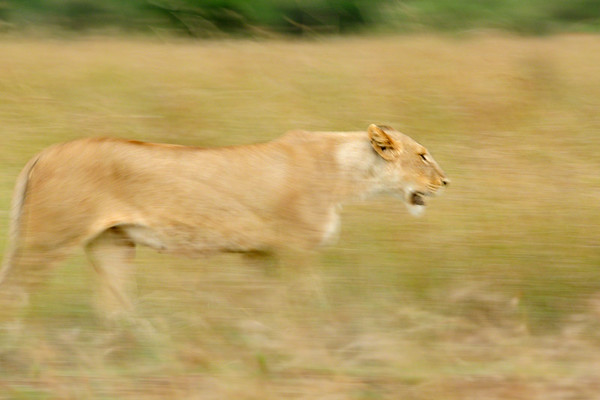
Lionesses are all action, compared to the male lions. We saw a lot of charges and it was great fun panning them when they charged.

lions in masai mara

There were three different prides of lions, all with young cubs, that we use to see regularly.

lions in masai mara

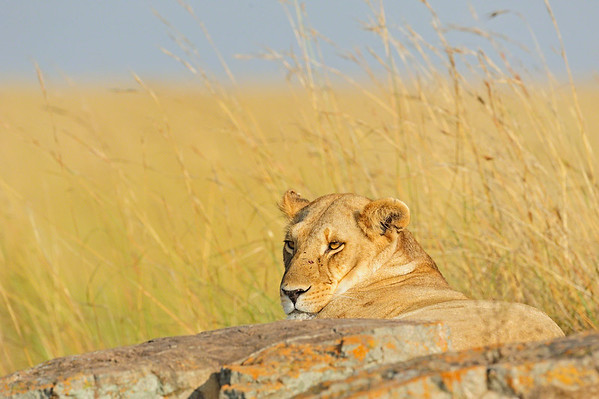
Female lions, though not as good looking as the males, are far more fun to photograph as they are generally more active than the males.

lions in masai mara

Though the male lions are far better looking…far far better looking.

We also had a great time with a mating pair of cheetahs. The female had a distinctive “kink” in her tail. We saw them together for nearly the entire week, we saw them hunting, marking territory, playing – in fact doing everything except mating. I took this picture below on the way to the airstrip to pick up our good friends Amrish and Meghna Wadekar and nearly missed reaching the airstrip

cheetahs in masai mara

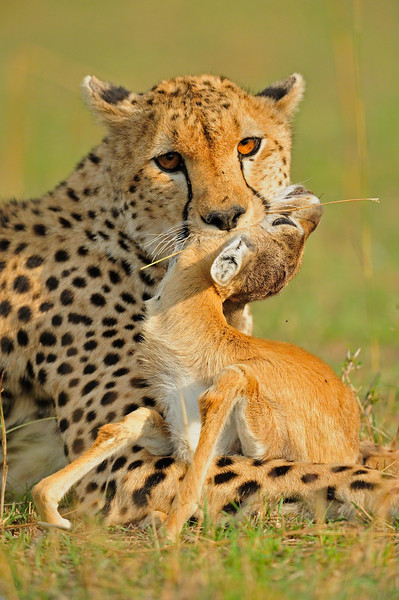
One of the better pictures that I got this week was probably of a female cheetah (not one of the mating pairs) that killed a young Thompson Gazelle’s fawn. The fawn was still alive when we started shooting this image.

cheetah kill

This week we had a lot of predator action though it was not all about predators. We got some great shots of ungulates and birds, some of which are pasted below.

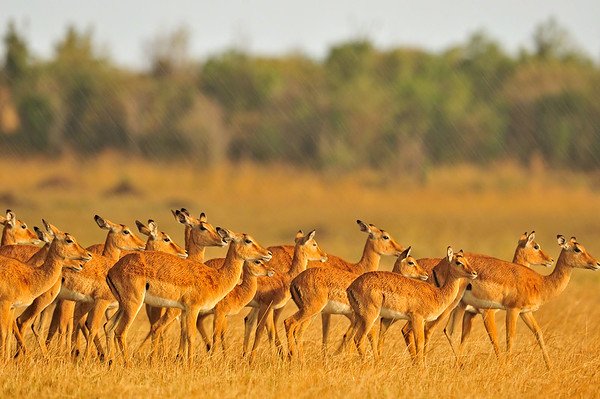
Impalas in the rain. They were all focused on a lioness that was sitting at a distance from the herd. The rain and the low angled light is what made this picture for me

vultures in masai mara

Vultures are you constant companions in Masai Mara

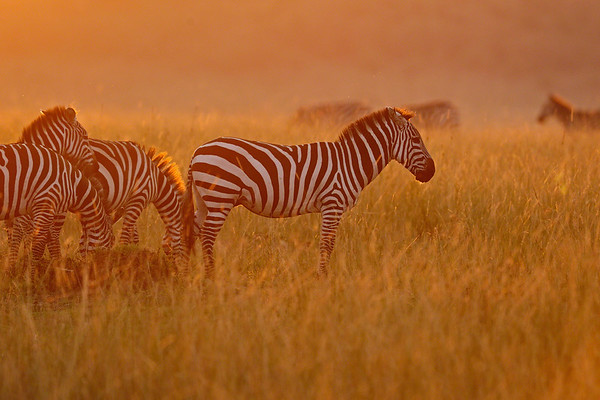
zebras at sunset

My all time favorite are from this series of zebras at sunset

Five weeks in Masai Mara National Reserve - Week 3

At the end of the second week we bid goodbye to Kahini, Shivang and all their friends and crossed the Mara River to go towards Talek River. This week we had a group of close friends and family who were booked in Sunworld Safari’s amazing camp (Mara Bush Camp). This place is located in the best photography location inside Mara. You are literally living in “Cat Central.”  This area is particularly great for Leopards, Caracals and Servals – all three are Mara’s least seen cats. The river is a short drive away so it works very well. In the early mornings and late evening you look for cats and when the sun is high you head to the river to try to catch a river crossing. We started the week with a brilliant sighting of a leopard family and mating lions in great light. 

leopard in Masai Mara

The “Mara Bush Camp leopard” – one of Olive’s offspring’s. She had two cubs from two different litters – one a few months old and the other one was almost full-grown

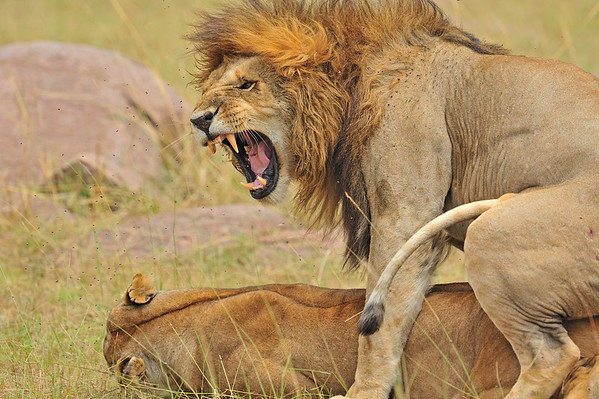
Mating lions

A mating pair of lions. Masai Mara has nearly 750 lions and finding a mating pair is not too tough

By the time the week ended we had seen seven different prides of lions and some solitary males including the one below, nine different cheetahs, six different leopards, a family of three caracals, lots of cat action and only one river crossing (a stunning one). Another good week in Mara but then Mara never lets your cameras down. Photographically speaking Masai Mara makes it too easy. In no other place can you collect so many good pictures so fast. 

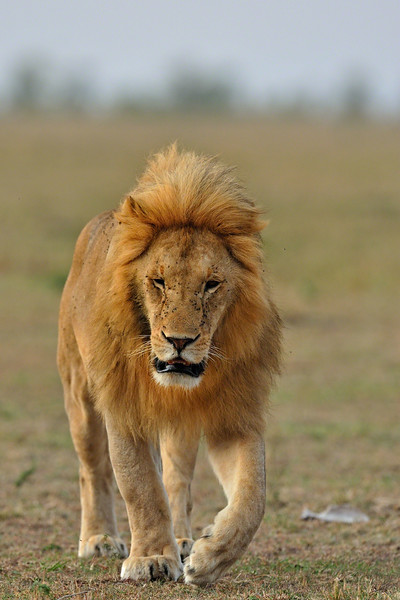
Male lion

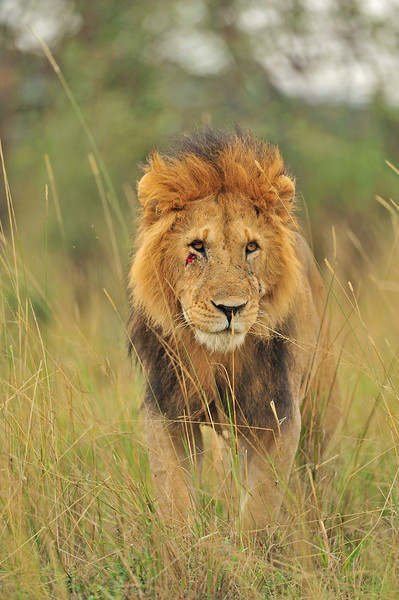
One morning we followed this “roaring” solitary male lion for a few hours as he walked a long way across the grasslands that had been recently over grazed by the wildebeests

Charging lion

Charging lioness in Masai Mara. “She missed” that was my story with lion kills in the 5 weeks that I was there. The cheetahs got them while the lions missed all the time for me

We saw a massive build up of wildebeests in the Paradise plains for three days in a row though they never crossed. We could see large buildups across the Mara River on the Mara Triangle side too. However there were no river crossing till the fifth day. Wildebeests often do this. They will gather in the plains close to the river, walk up to the river to drink, stare across the river and then walk back. Its great to see such a massive gathering of big ungulates that run around and lot and give you zillions of photo opportunities. 

Wildebeest migration in Masai Mara

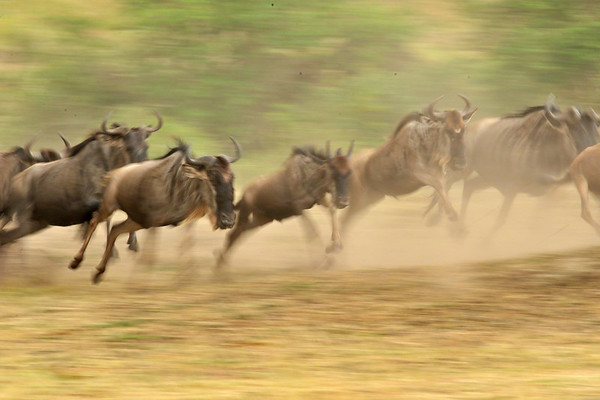
Wildebeests are designed for running over long distances at an amazing pace and panning them can be great fun

river crossing in the migration in Masai Mara

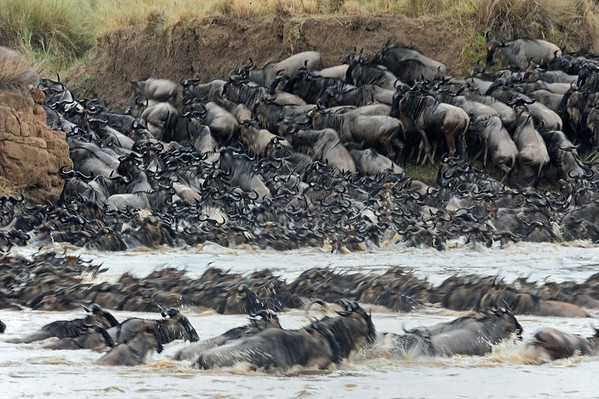
You can easily burn your camera out when wildebeests on the migration cross the rivers

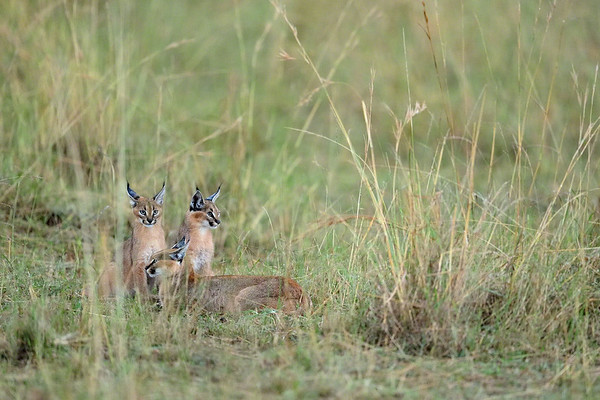
I had three highlights in the week. The first one was finding a family of three caracals. This sighting was courtesy Federico Veronesi – a great photographer and fun guy who has spent a lot of time in the Mara. He has been following this caracal (the mother) for a few years and finds her more often than anyone else. He called us when he found the caracals. We reached the spot very close to the camp late in the evening when the light was very low and it was drizzling (the first “over saturated” picture below). The rain stopped when it was time to head back to the camp but by then the light was really low (the second picture below). The second highlight were the frequent sightings of “three brothers” or Honey’s boys – three adult male cheetahs that live and hunt together. They did not disappoint us and we saw them make two kills in three days. A few weeks later, we heard that a lioness had killed one of these three brothers.

Caracal in the rain

Caracal in the rain

Caracal family

Caracal family

two cheetahs in masai mara

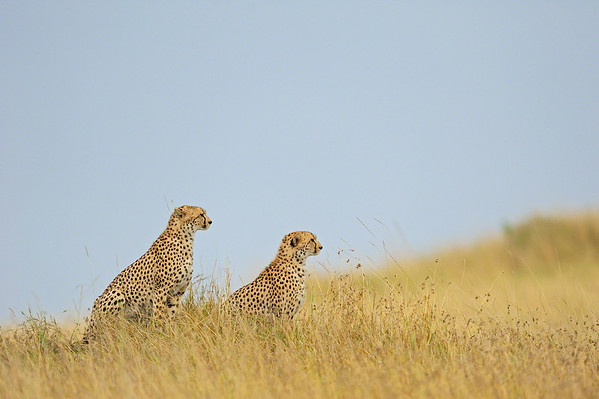
Two of the famous three brothers. Unfortunately a few weeks after I took this picture a lioness killed one of these three cheetahs

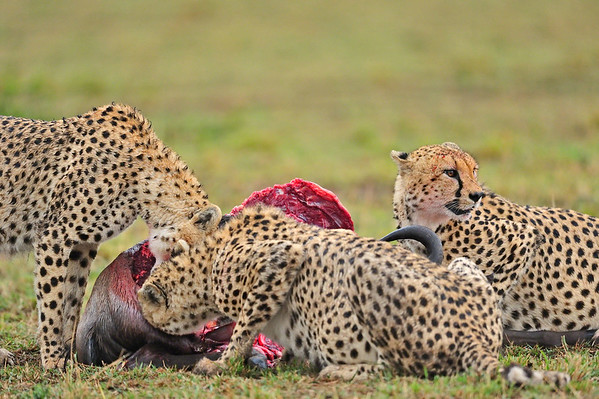
three cheetahs on a kill

Cheetahs prefer smaller prey than wildebeests but a group of adult cheetahs can and will take down adult wildebeests. These three brothers were really good at taking down wildebeests

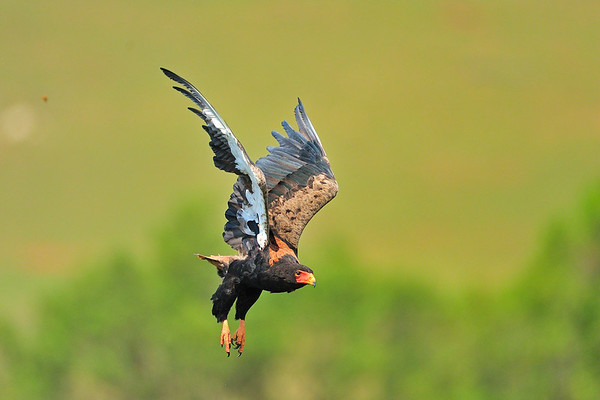
The third highlight of the week was being back in the Mara Bush Camp, being driven by Ken Naikuni (the best safari driver/guide for photographers) and driving in one of  Sunworld Safari’s vehicle . If I could afford it I would happily spend the rest of my life doing this. This week, like every week in Mara, went by like a blur. Soon it was time to leave the camp and head back to our rough camp in the Mara Triangle. We found a great Bataleur Eagle on our way back to the triangle. 

Bataleur eagle in flight

Five weeks in Masai Mara National Reserve - Week 2

Week 2

The weekends in Masai Mara were “rest days” for us. One of our groups would leave on the Saturday and the next one would come to the camp either on Sunday evening or on Monday evening. They were great days as we had the camp all to ourselves. On Saturday mornings I would back up and edit my images, deep clean our gear & tent, catch up with the personal work and do other chores not related to wildlife or photography. After lunch we would be out with the cameras. This afternoon I went for the Banded Mongoose (Mungos mungo). They are close relatives of the Meerkat and not easy to photograph as its tough to get a nice angle on them. We got lucky.

Banded Mongoose

Banded mongoose live in colonies and often use termite mounds as nests

We saw a great sunset in the evening just before the camp – a large yellow orb being pushed by the dark clouds above. We knew it was going to rain soon. There were spectacular thundershowers in the night – complete with thunder and lightning. This rain settled the dust and light was amazing the next morning. The rain also “turbo charged” the migration.

Masai Giraffe

Masai Giraffe at sunrise near the Mara River 


Zebra and rainbow in Masai Mara

Black and White at the end of the rainbow


Occasional thundershowers are common between July and September in the Masai Mara. The rain comes down hard but usually does not last for a long time. These rains and the resultant growth of grasses attract the wildebeests, zebra and the other migrants into the Masai Mara. Rains are the generator that runs the migration. The wildebeests were quick to respond and they came running in long single files. Thousands and thousands of them.

Masai Mara migration

Wildebeests are designed for long distance running. It’s common to see large herds come running over the horizon


masai mara migration

Once they reach an obstacle like the Mara River they gather to build up their numbers, rest, eat and then cross


By Monday morning many groups of herds had gathered on our side of the river and were waiting to cross the Mara River. During the next seven days I saw more than a few river crossings every day. By the end of the week I had seen over 25 crossings, so big and some small but all spectacular. For the first two days they were crossing from our side of the river to the other side and we had to cross the Mara bridge, to the other (Narok) side. By the second of third day they were crossing the river on both sides and we were getting them coming head on towards us a few times a day. 

river crossing migration

The wildebeests prefer to cross at points where the currents are not strong and there is little or no vegetation on the other side


migration river crossing masai mara

The herd waits at the edge of the water till one “leader” decides to take the plunge in the river. Once this is done there is no looking back and almost the entire herd just follows the leader


masai mara migration river crossing

During the river crossing the wildebeest jump in the river – high on adrenaline, nostrils all flared up and raring to go


flying vulture masai mara

During a river crossing many animals die of drowning, trampling and a few are killed by predatory crocodiles. There are floating corpses all over the river and the vultures and other scavengers have a feast


There was a lot of action besides the spectacular river crossings and many of our guests had some great moments away from the river. I, for one, was totally focused on the river crossings and had little time for anything else. Shoot, edit, back up was the mantra to be repeated over and over again.

Five weeks in Masai Mara National Reserve - Week 1

My wife, Poonam, and I were fortunate to spend five weeks in Masai Mara during the annual Wildebeest migration this year. We were there last year for two weeks and came back convinced that two weeks were not enough. It took us a year to plan a five-week trip. Since five weeks in Mara can be really expensive, especially if you do it the right way, we decided to take five groups of photographers and wildlife enthusiasts for a week each. The two of us have been making a living out of wildlife tourism for over 14 years and operate a small lodge (The Ranthambhore Bagh) in the outskirts of the Ranthambhore national park in India. This blog is all about the fun we had, the wildlife that we saw and the pictures that we got.

Lenses: Nikon 600 mm f4.0, Nikon 200-400 mm f4.0, Nikon 70-200 mm f2.8, Nikon 24-70 mm f2.8, Nikon 17-35mm f 2.8.
Cameras: Two Nikon D 700 and one Nikon D300.

Week 1

During the first week we stayed at the Olarro campsite in the Mara Triangle on the banks of the Mara River, in a camp, specially set up for our company Bagh Safari. Mara Triangle is a privately run part of Masai Mara and is not as crowded as the Narok side, across the river. The grass was still green when we reached Mara and the big herds of Wildebeests still had not migrated in from Tanzania but all that was about to change.
 

spotted hyena, masai mara, bagh safari, wildlife, kenya

Spotted or laughing hyena that live in large matriarchal communities called clans


masai giraffe, bagh safari, kenya, masai mara

Masai or Kilimanjaro Giraffe the tallest land mammal and the largest of all sub species of Giraffe


The camp was a basic bush camp but the campsite has an awesome location and that is just what we wanted. In other words we were camping in the heart of the action. Most visitors to Mara end up staying in fancy lodges or camps that are located far away from the action spots. As a result they end up commuting for an hour or more when the light is at its best, during the early mornings and late evenings. That does not work for us and fortunately we have friends who feel the same. We were in Mara for the safaris and not for the resorts.


elephant, cheetahs, maasai mara, kenya, bagh safari

Cheetah family and African tusker – the fastest and the largest mammals on land


cheetahs, grasslands, masai mara, bagh safari

Three Cheetahs – a mother and two nearly full-grown cubs in the grasslands of Mara. Cheetahs prefer to hunt smaller prey, though a group of adult males working together can and will take down adult Wildebeests


The first few days we concentrated on the cats as the big herds of Wildebeests were still across the border in Tanzania. We were richly rewarded with some great sightings of lions and cheetahs (my favorite cats). We did see a leopard but could not get decent pictures.

lions, bagh safari, masai mara

A pair of male lions – the second biggest “big cat” in the world


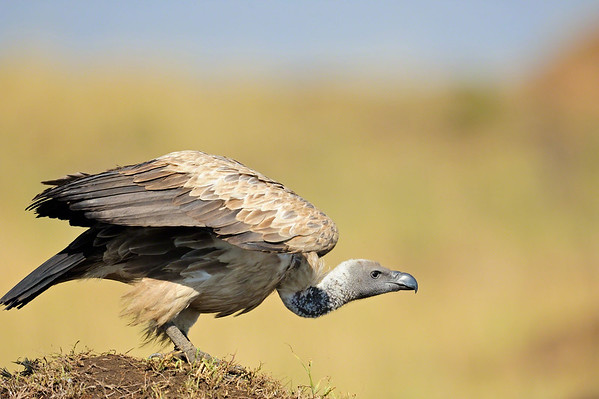
white backed vulture, bagh safari, kenya, masai mara

Mara has a thriving population of vultures like this White-backed vulture that was landing on a Zebra carcass


A few days after we reached Mara the migration was in full swing. Large numbers of Wildebeests started crossing the border to enter the Masai Mara. This sight can blow your mind away. Massive numbers of wildebeests marching or running in a single line that can sometimes extend till the eye can see. Their safety lies in their large numbers and throughout the year they keep moving all across the vast plains in search of grass.


wildebeests, gnus, migration, masai mara, bagh safari

The annual Wildebeest migration - the dust, the noise, the motion and the adrenaline


They move in a long single file till they find new pastures and there they start gathering. Within a few days a number of herds may gather together till their numbers are sometimes over a hundred thousand or even more.  It is estimated that during the annual migration more than a million Wildebeests cross over from Tanzania to the Masai Mara. The numbers are mind-boggling. Five days after we reached the Mara we saw our first river crossing and boy did they cross. 


wildebeests, gnus, migration, masai mara, bagh safari

Crossing the Mara River – This event can chew up your digital storage


migration, masai mara, wildebeests, gnus, masai mara, bagh safari

River crossing during the annual migration – Action unlimited


This is the event that I had gone for – one of the most spectacular wildlife events in the world. The action that one can see during a river crossing just cannot be put down in words and I will not even try to do that. All I can say is that when a river crossing starts my blood pressure shoots through the roof. As a wildlife photographer, you have not arrived till you shoot your first river crossing. During the next two days we saw a number of river crossings that left us totally exhausted. Before we knew it our first week was over and it was time for our eleven friends to leave. Poonam and I were staying on – after all we had four more weeks to go. This tusker near the Talek river gave them a fitting farewell. 


elephant, masai mara, bagh safari